
Why Filipina Dating Red Flags Matter
Online dating with Filipinas can lead to genuine, lasting relationships. Thousands of couples have built happy lives together after meeting on dating platforms. But the same features that make international dating exciting—distance, cultural curiosity, emotional openness—also create openings for scammers, which is why knowing the most common filipina dating red flags matters.
Romance scams cost victims over $1.3 billion in 2022 alone, according to the U.S. Federal Trade Commission. The Philippines is one of several countries where scam operations specifically target foreign men on dating sites. This does not mean most Filipinas are dishonest—far from it. It means you need a clear framework for separating genuine connections from manipulative ones.
This guide walks you through the most common Filipina dating red flags, organized by category, so you can spot problems early and protect yourself without becoming cynical. If you are new to dating Filipinas online, pair this with our complete dating guide for a well-rounded foundation.
Money-Related Red Flags
Financial manipulation is the most damaging category of romance scam behavior. Watch for these patterns carefully.
Early Requests for Money
A genuine romantic interest will not ask you for money in the first weeks or months of online conversation. If someone you have never met in person asks you to send funds—for any reason—treat it as a major red flag. This applies regardless of how strong your emotional connection feels.
Scammers invest time in building emotional bonds specifically so you will feel compelled to help when they eventually make a financial request. The longer they have groomed you, the harder it is to say no.
Emergency Stories and Sob Stories
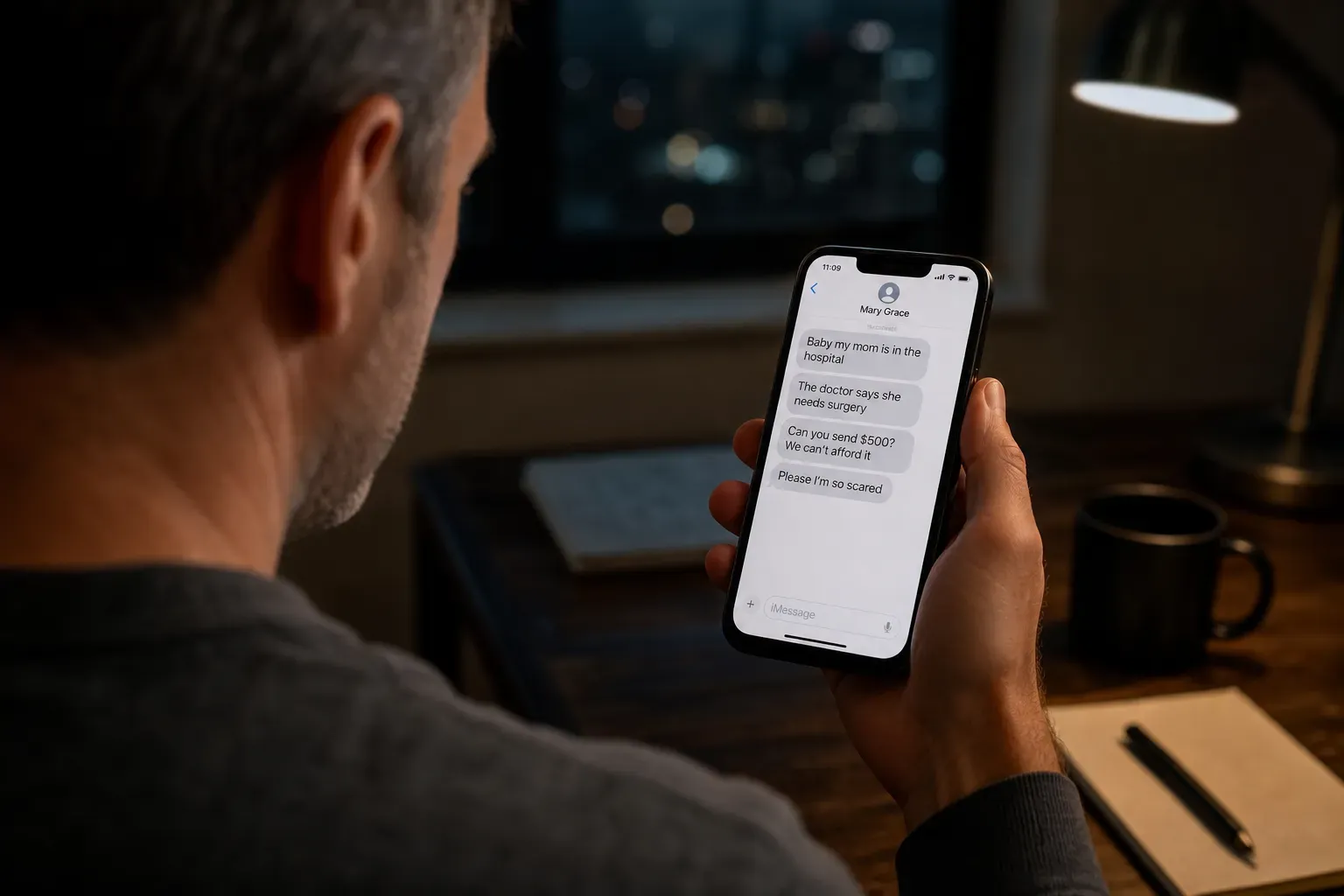
The most common approach involves a sudden “emergency” that requires immediate financial help. Typical stories include:
- A family member is hospitalized and needs surgery money
- Their phone was stolen and they need a replacement to stay in touch with you
- They were evicted and need rent money urgently
- A parent or sibling is dying and they need travel money
- They lost their job and cannot afford food
These stories are designed to trigger urgency and empathy simultaneously. A real partner would have family, friends, or local resources to turn to before asking someone they have only spoken to online.
Gift Cards, Crypto, and Wire Transfers
Scammers often request payment through methods that are difficult to trace or reverse—gift cards, cryptocurrency, wire transfers through services like Western Union, or mobile payment apps. A legitimate person would not need you to buy Steam gift cards or send Bitcoin. These payment methods are chosen specifically because they are nearly impossible to recover once sent.
Escalating Amounts
A common pattern is starting with small requests ($20-50 for phone load or groceries) and gradually increasing the amounts as you become more comfortable sending money. Each successful request trains you to comply with the next, larger one. If you notice the amounts climbing, recognize the pattern for what it is.
Financial Red Flags Summary
If someone you are dating online asks for money before you have met in person, the relationship is almost certainly not what it appears to be. For a deeper dive into financial safety, read our guide on how to avoid scams when dating Filipinas.
Identity Red Flags
Verifying that the person you are talking to is who they claim to be is one of the most important steps in online dating. These red flags suggest you may not be dealing with a real person—or at least not the person in the photos.
Refusal to Video Call
This is one of the clearest identity red flags. If someone consistently refuses to do a live video call after several weeks of messaging, something is wrong. Common excuses include:
- “My camera is broken”
- “My internet is too slow for video”
- “I’m too shy”
- “I’ll video call you when we know each other better”
While initial shyness is normal—especially in Filipino culture—a genuine person will eventually agree to a brief video call. Repeated refusal across weeks is a strong signal that the person does not look like their photos or may not be who they claim to be.
Inconsistent or Suspicious Photos
Watch for these photo-related warning signs:
- Professional-quality photos only. Real people have a mix of casual, imperfect, and professional photos. If every image looks like a modeling shoot, the photos may be stolen from a social media influencer or model.
- Different-looking person across photos. Subtle differences in facial features, skin tone, or body type across photos can indicate images are collected from multiple sources.
- No casual or situational photos. A real person can easily take a quick selfie holding a piece of paper with your name or today’s date. If they refuse this simple request, be suspicious.
- Very few photos available. Scam profiles often have only 3-5 photos because that is all the scammer could find from the original source.
Reluctance to Share Social Media
Most Filipinas are active on social media, particularly Facebook. If someone claims to have no social media presence at all, or refuses to connect with you on any platform, that is unusual. A real person’s social media history—posts over months and years, tagged photos from friends, family interactions—is very difficult to fake convincingly.
Vague Personal Details
When someone is evasive about basic life details—where exactly they live, what they do for work, their family situation—it may indicate they are managing multiple fake personas and cannot keep details straight. Genuine people share personal information naturally as conversations deepen.
Communication Red Flags
How someone communicates with you reveals a great deal about their intentions. These patterns often indicate manipulation rather than genuine interest.
Love Bombing
Love bombing is the practice of overwhelming someone with affection, compliments, and declarations of love very early in a relationship. If someone is telling you they love you within the first few days or weeks of chatting, be cautious. Phrases like these in the first week are warning signs:
- “I’ve never felt this way about anyone before”
- “You’re my soulmate”
- “I feel like I’ve known you my whole life”
- “I want to spend the rest of my life with you”
Genuine affection develops gradually. A real connection builds through shared experiences, honest conversations, and time. Love bombing is a manipulation tactic designed to cloud your judgment and create a false sense of intimacy.
For more on healthy communication patterns, see our guide on how to message Filipinas online.
Moving Too Fast
Related to love bombing, scammers often push to accelerate the relationship timeline. They may talk about marriage, moving in together, or having children within the first few conversations. This urgency serves a purpose: the faster you are emotionally invested, the less likely you are to think critically about red flags.
A genuine Filipina who is serious about a relationship will want to take reasonable time to get to know you. She will have questions about your character, values, and intentions—not just declarations of devotion.
Overly Scripted Messages
If messages feel generic, rehearsed, or could apply to anyone, they may be copy-pasted from a script. Scam operations sometimes employ multiple people who rotate through conversations using pre-written templates. Signs of scripted messaging include:
- Messages that do not reference anything specific you said
- Responses that feel disconnected from the conversation flow
- Identical phrasing used repeatedly
- Messages that arrive at oddly consistent intervals regardless of content
Always Available
While it might seem flattering that someone is always online and ready to chat, this can indicate a scam operation rather than a genuine individual. Professional scam operations run in shifts, which means “your” contact is actually multiple people maintaining the illusion of a single, devoted partner.
Pressuring You to Move Off-Platform
Scammers often push to move conversations from dating platforms to personal messaging apps (WhatsApp, Telegram, Viber) very quickly. This removes the dating platform’s ability to monitor the conversation or act on reports. While eventually moving to a personal messaging app is normal, pressure to do so within the first few messages is suspicious.
Story Inconsistency Red Flags
Over time, dishonest people have difficulty maintaining a consistent narrative. Pay attention to details and trust your memory.
Changing Details
If someone tells you they have two siblings one week and three siblings the next, or their job changes without explanation, these inconsistencies matter. Keep a mental note (or even written notes) of key facts someone shares with you. Genuine people are consistent about their basic life details because they are telling the truth.
Vague Job or Location Information
Be cautious if someone cannot clearly explain what they do for work, where their workplace is, or specifics about their neighborhood or city. A real person living in Cebu, for example, can name their barangay, describe nearby landmarks, and talk about local restaurants. Vague or generic answers suggest the person may not actually live where they claim.
If you want to learn more about Filipino cities and what life is actually like in different areas, explore profiles by city to build a frame of reference.
Stories That Do Not Add Up Over Time
Sometimes individual details are not obviously wrong, but the overall picture does not make sense. For example, someone claims to be a nurse but is available to chat 18 hours a day. Or they say they live alone but you hear multiple voices in the background during a rare phone call. Trust your instincts when something feels off, even if you cannot pinpoint exactly what is wrong.
Behavioral Red Flags
Actions speak louder than words, especially in online relationships where words are the primary currency. Watch for these behavioral patterns.
Avoiding In-Person Meetings
If you have been talking for months and the person consistently avoids making plans to meet—even when you offer to travel to the Philippines—that is a serious red flag. Common avoidance tactics include:
- Agreeing to meet but canceling at the last minute repeatedly
- Suggesting you send money instead of visiting
- Claiming they are “not ready” indefinitely
- Always having a new reason why “now is not a good time”
A genuine person who is interested in a real relationship will be excited about the prospect of meeting you in person, even if nervous. Our guide on building trust in online Filipina dating covers healthy timelines for moving from online to in-person connection.
Always Having Excuses
Everyone has occasional schedule conflicts or genuine emergencies. But if every attempt to deepen the relationship—video calls, meeting friends or family, visiting—is met with an excuse, the pattern itself is the message. A genuine partner makes effort to move the relationship forward, not perpetually stall it.
Isolating You from Outside Opinions
Scammers sometimes discourage you from discussing the relationship with friends or family. They may say things like “people won’t understand our connection” or react negatively when you mention talking to someone else about them. This isolation tactic is designed to keep you in an echo chamber where the only voice you hear is theirs.
A genuine partner welcomes the involvement of your trusted friends and family because they have nothing to hide.
How to Verify Someone Is Genuine
Choosing a platform that verifies its members does a lot of this work for you — see how the best dating apps to meet Filipinas compare on verification. Beyond that, you can take proactive steps to verify that the person you are dating online is who they claim to be.
Video Call Checklist
Video calls are your single most powerful verification tool. During video calls, look for:
- Face matches photos. Does the person on camera look like their profile pictures?
- Background consistency. Does their environment match what they have told you about their living situation?
- Natural conversation. Can they respond spontaneously to unexpected questions, or do they seem to be reading from a script?
- Willingness to show surroundings. A genuine person will casually show you around their home or neighborhood if asked.
- Comfort with spontaneous calls. Try calling at unexpected times occasionally. A real person will sometimes be available and sometimes not. Someone who can never take a spontaneous call may be hiding something.
Social Media Cross-Reference
Check their social media profiles for:
- Account age (profiles created in the last few months are more suspicious)
- Consistent photos with their dating profile
- Interactions with real friends and family
- Posts and activity over months or years
- Tagged photos from other people
Reverse Image Search
Copy their profile photos and run them through Google Images reverse search or TinEye. If the same photos appear on other profiles with different names, or on a model’s portfolio site, you are likely dealing with stolen images.
Ask Specific Questions
Ask detailed questions about their daily life that would be hard to fake:
- What did you eat for breakfast today?
- What is the weather like right now where you are?
- What is the name of the nearest sari-sari store?
- Can you show me your view from your window?
Real people answer these questions easily and naturally. Scammers will deflect, give vague answers, or change the subject.
Trust Your Instincts
If something feels wrong, it probably is. Experienced scammers are skilled at explaining away individual red flags, but your overall sense that something is off is usually based on a pattern your subconscious has detected even if you cannot articulate it yet. Do not dismiss your gut feeling because you want the relationship to be real.
What to Do If You Spot Red Flags
If you have identified one or more serious red flags, here is how to respond.
Stop Sending Money Immediately
If you have been sending money, stop now. It does not matter what emergency is described or how much guilt you feel. Every additional dollar sent is a dollar you will not recover. This is the single most important step you can take.
Report the Profile
Report the suspicious profile to the dating platform you are using. Most platforms have dedicated fraud teams that investigate reports. Your report may protect other users from the same scammer.
Document Everything
Save screenshots of all conversations, financial transactions, profile information, and any other evidence. This documentation is essential if you decide to report the scam to authorities and may help in any recovery efforts.
Contact Authorities If Needed
If you have lost money to a romance scam, file reports with:
- FTC (Federal Trade Commission): Report at ReportFraud.ftc.gov
- FBI IC3 (Internet Crime Complaint Center): File a complaint at ic3.gov
- Your bank or payment provider: Contact them immediately about the fraudulent transactions; some payments can be reversed if reported quickly
Do not feel embarrassed about reporting. Romance scams are sophisticated criminal operations, and reporting helps law enforcement track and disrupt these networks.
Take Care of Yourself
Being scammed in a romance context is emotionally devastating. It is a betrayal of trust and vulnerability. Consider talking to a counselor or therapist, and reach out to trusted friends or family for support. Organizations like AARP’s fraud helpline (877-908-3360) offer free support for scam victims.
Official Resources
- FTC Romance Scams Information — The Federal Trade Commission’s guide to recognizing and reporting romance scams
- FBI IC3 — Internet Crime Complaint Center — File reports for internet-based fraud including romance scams
- AARP Fraud Watch Network — Free resources and a helpline for fraud victims
The Bottom Line
Most Filipinas on dating platforms are genuine, kind, and looking for real relationships. The red flags in this guide are not about distrusting an entire culture—they are about recognizing the specific tactics that scammers use regardless of nationality. By staying informed and following basic verification steps, you can protect yourself while remaining open to a genuine connection.
The best defense is a combination of awareness and action: know the warning signs, verify identity through video calls and social media, never send money to someone you have not met, and trust your instincts when something feels off.
For a comprehensive approach to online dating safety with Filipinas, combine the red flag awareness from this guide with proactive safety habits. And when you are ready to start meeting real, verified Filipinas, explore profiles on FilipinaMeet to connect with women who are genuinely looking for meaningful relationships.
Related Guides
- Avoid Scams When Dating Filipinas — Practical steps to protect yourself from common dating scams
- How to Date a Filipina — A complete guide to building real connections
- How to Message Filipinas Online — Communication tips for meaningful conversations
- Build Trust in Online Filipina Dating — How to earn trust and deepen your connection
- Online Dating Safety with Filipinas — Comprehensive safety practices for online dating
- How to Marry a Filipina — What to know about marriage with a Filipina partner
- Green Flags When Dating Filipinas
- Signs a Filipina Is Serious About You
Questions, answered
Frequently asked questions
What is the biggest Filipina dating red flag?
The single biggest red flag is any request for money early in the relationship—especially before you have met in person or had a video call. Legitimate romantic partners do not ask strangers for financial help, regardless of the emergency they describe.
How can I tell if a Filipina is catfishing me?
Look for refusal to do live video calls, photos that look overly professional or inconsistent, reluctance to share social media accounts, and vague answers about daily life. A reverse image search on their profile photos can quickly reveal stolen images.
Are all Filipinas on dating sites scammers?
Absolutely not. The vast majority of Filipinas on reputable dating platforms are genuine women looking for real relationships. However, scammers do target international dating sites, so knowing the warning signs helps you filter out the bad actors and connect with honest people.
What should I do if I suspect a romance scam?
Stop sending money immediately, document all conversations and transactions, report the profile to the dating platform, and file a complaint with the FTC at ReportFraud.ftc.gov or the FBI Internet Crime Complaint Center at ic3.gov. Do not feel embarrassed—romance scams are sophisticated operations that target smart people.
How soon should I suggest a video call when dating a Filipina online?
Suggest a video call within the first one to two weeks of regular conversation. A genuine person will usually agree, even if they are initially shy. Repeated refusals or excuses beyond a reasonable timeframe are a significant red flag.
Can genuine relationships start from online dating with Filipinas?
Yes, thousands of successful relationships and marriages have started through online dating between Filipinas and foreign men. The key is building trust through consistent communication, video calls, verified identities, and eventually meeting in person.